
Submission
Deadline
October 16, 2026
Judging
Date
November 11, 2026
Winners
Announcement
November 26, 2026
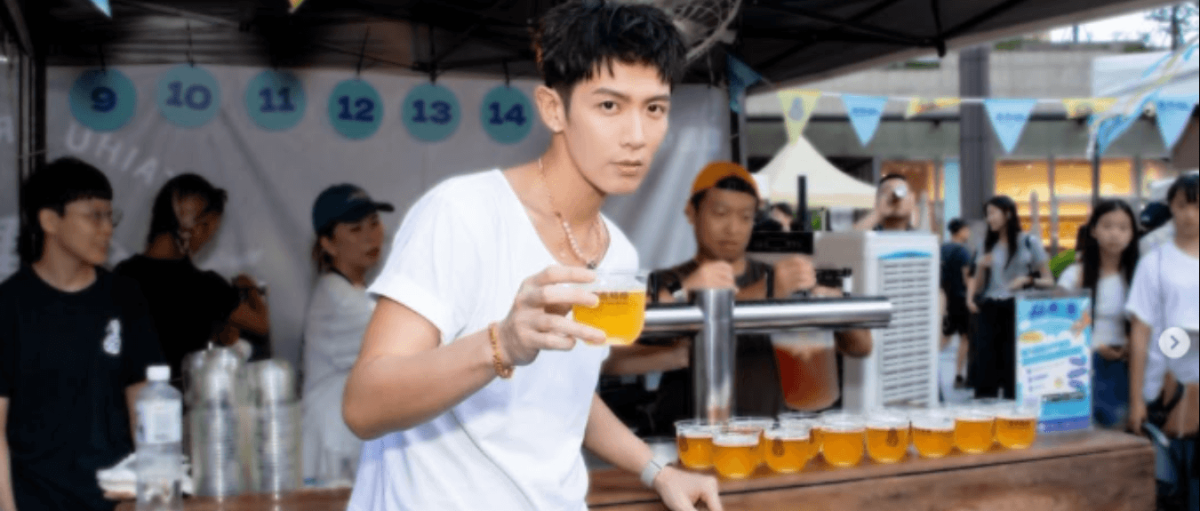
Asia’s craft beer movement is no longer limited to a handful of experimental breweries. Across the region, independent producers are creating beers inspired by local ingredients, cuisines, climates, and drinking traditions.
From the neon-lit streets of Seoul and Tokyo’s compact beer bars to Bengaluru’s bustling brewpubs and the beachside breweries of Goa and Bali, each destination offers a different way to experience Asian craft beer.
Taipei’s craft beer scene reflects the creativity of the city’s wider food and beverage culture. Independent breweries are combining modern brewing techniques with Taiwanese ingredients, producing beers that feel connected to the island rather than copied from another market.
Taihu Brewing is one of Taiwan’s most recognisable contemporary beer producers. Its range has included beers and other fermented drinks featuring ingredients such as kumquat, mulberry, jasmine, oolong and Taiwanese black tea.
Zhangmen Brewing has also helped make Taiwanese craft beer more accessible through its brewing operation and taproom network. One of its Taipei locations has offered as many as 24 taps, giving visitors an opportunity to explore multiple styles in one place.
Taipei is an especially rewarding destination for drinkers interested in the relationship between beer and food. A crisp lager or citrus-led ale can work beautifully alongside Taiwanese fried chicken, dumplings, grilled meats and the salty, sweet and spicy flavours found in the city’s night markets.
What to look for: Tea-infused beer, kumquat Kölsch, fruit ales, modern lagers, hazy IPAs and experimental collaborations.
Beijing deserves recognition as one of the most important cities in the development of modern Chinese craft beer.
Some of the city’s earliest independent breweries emerged from its hutong neighbourhoods, introducing drinkers to freshly brewed beer while experimenting with ingredients and flavours rooted in China.
Great Leap Brewing opened its original brewery in Doujiao Hutong and became known for incorporating Chinese ingredients into established beer styles. Its early creations included beer made with Sichuan peppercorns, demonstrating how familiar brewing traditions could take on a distinctly local identity.
Jing-A Brewing, founded in Beijing in 2012, has similarly built its identity around unexpected flavours, collaborations and stories connected to China. Its objective has been to challenge international perceptions of what Chinese beer can be.
LONGFUSI Taproom by Jing-A Brewing. Located in the hutongs west of Dongsi, Beijing. A 150+ seat bar and restaurant that boasts 32 taps to pour the full range of our beers as well as six draft cocktails. The Taproom menu focuses on thin-crust sourdough pizzas, crisped to perfection in the Taproom’s hulking brick oven.
The city also hosts a major craft brewing exhibition and festival, bringing breweries, suppliers, professionals and consumers together and showing how far China’s independent beer sector has developed.
What to look for: Sichuan peppercorn beer, Chinese ingredient-led ales, imperial stouts, modern IPAs and limited collaboration brews.
Metro Manila’s craft beer culture is becoming increasingly confident, with breweries using Filipino ingredients and cultural references to build a recognisable local identity.
Engkanto Brewery produces a core range that includes an ube lager, honey ale, mango hazy IPA and double IPA. The beers demonstrate how familiar Filipino flavours can be incorporated into contemporary beer without losing the character of the underlying style.
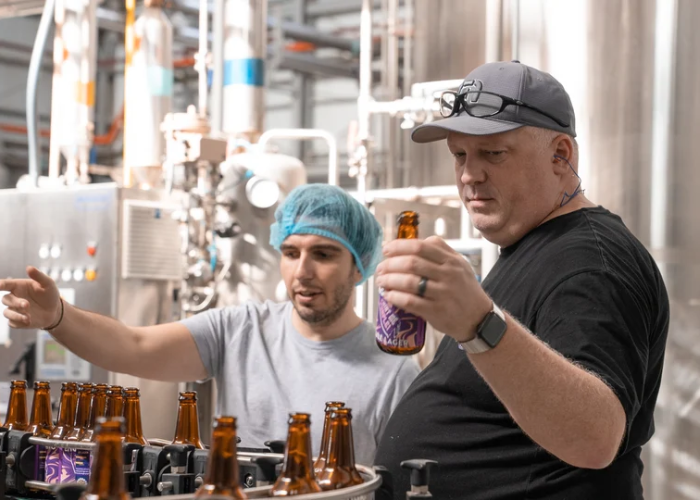
Brewmaster MJ of Engkanto Brewery shakes up the beer lineup with a more approachable, exciting, and collaborative approach to suit the local palate.
Elias Wicked Ales & Spirits is also known for more unconventional brewing and beers that showcase ingredients and flavours associated with the Philippines. Its venue in Taguig pairs craft drinks with traditional pulutan dishes, burgers, and small plates.
Manila’s growing festival culture is helping bring these breweries together. The 2026 Mabrewhay Craft Beer Festival featured established and emerging producers from across the Philippines, illustrating the increasing depth of the local scene.
What to look for: Ube lager, mango IPA, honey ale, beers made with local flowers and experimental fruit-led releases.
Kuala Lumpur’s craft beer culture is smaller than those of Tokyo, Seoul or Singapore, but that is part of its appeal. The city’s best craft beer venues often feel highly community-driven, bringing together curious drinkers, brewers and food lovers.
PaperKite Brewing has emerged as an important Malaysian craft beer producer. Its beers include approachable styles such as pale ale, IPA, hoppy lager and copper ale, giving new drinkers a comfortable introduction to locally brewed beer.
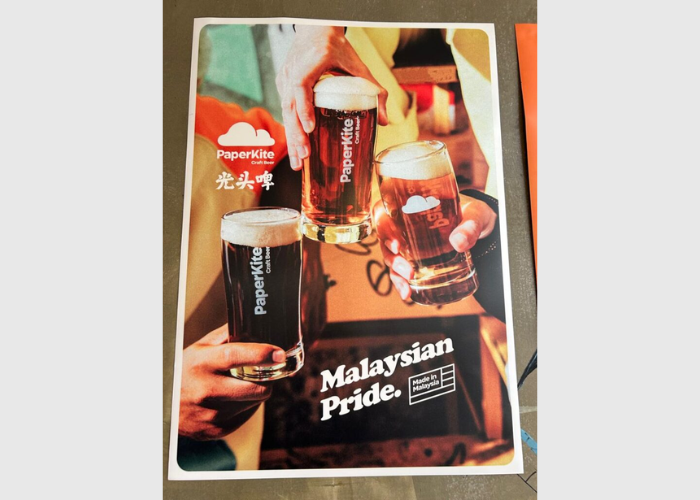
PaperKite Brewing
At Tap Room KL, PaperKite beer is brewed on-site and served alongside Neapolitan-style pizza. The glasshouse-style venue brings the brewery, kitchen and hospitality experience together in one destination.
Kuala Lumpur’s multicultural dining scene gives craft beer producers enormous pairing potential. Local beer can be enjoyed with Malaysian, Chinese, Indian, Peranakan and contemporary international cuisine—all within the same city.
What to look for: Hoppy lagers, copper ales, pale ales, IPAs and beers developed for pairing with Malaysia’s diverse food culture.
Bali’s craft beer culture has grown around a simple but powerful proposition: make fresh, drinkable beer on the island for people enjoying the island.
That approach makes sense in a destination defined by tropical weather, beach clubs, surf culture, restaurants and outdoor hospitality. Highly refreshing lagers, session ales and pale ales naturally fit the way people eat, travel and socialise in Bali.
Kura Kura was created to bring fresh, sessionable beer to Bali and brew it locally. Its name means “turtle” in Bahasa Indonesia and draws inspiration from Balinese folklore. The brewery, located in Plaga, uses local spring water and offers tours for visitors interested in seeing where the beer is made.
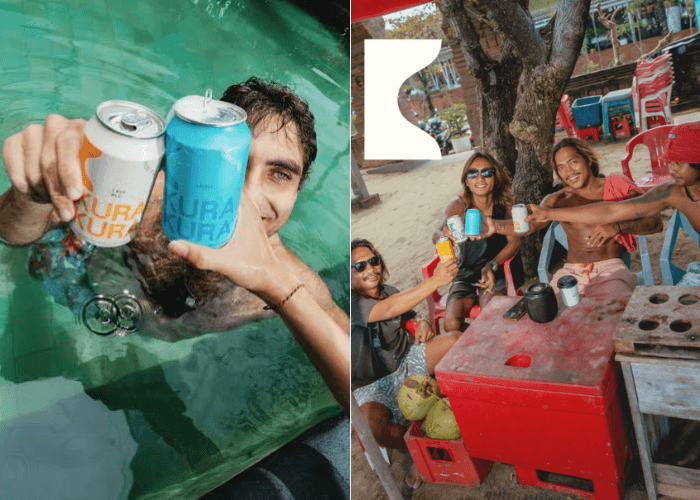
Stark also brews in northern Bali using spring water from the Batu Karu mountain area, further connecting the beer with its place of production.
The Bali experience extends from brewery visits to sunset drinking. Local craft beer can be found in restaurants, specialist bars, beach clubs and relaxed neighbourhood venues across the island.
What to look for: Island lager, session pale ale, wheat beer, tropical IPA and small-batch seasonal releases.
Seoul’s craft beer scene combines the energy of a major nightlife capital with a growing appreciation for small-batch brewing.
Itaewon and the surrounding neighbourhoods played an important role in introducing more drinkers to pale ales, IPAs and other international beer styles. Today, Korean craft beer can be found across the city, from intimate taprooms and pizza-and-beer venues to sophisticated bars offering tasting flights and limited releases.
Magpie Brewing helped shape the early movement. Founded by four friends in Seoul in 2011, the brewery opened its first small brewshop in the Kyungridan neighbourhood with a single pale ale. It later established a brewery on Jeju Island and began experimenting with ingredients including Jeju tangerine peel, sancho pepper and smoked Korean pumpkin.
That willingness to combine international brewing knowledge with distinctly Korean flavours captures the spirit of the country’s craft beer culture.
In Seoul, the experience is not simply about finding the most unusual beer. It is about moving between very different settings: a lively taproom after work, a small bar hidden in an alley, or a late-night venue where fried chicken and fresh lager make a natural pairing.
What to look for: Korean pale ales, crisp lagers, citrus-driven IPAs, experimental sours and seasonal beers featuring local produce.
For travellers who want to see a different side of Korean beer, Jeju Island offers a slower, more scenic alternative to Seoul.
The island’s agricultural identity gives brewers access to recognisable local ingredients, particularly citrus. Jeju’s reputation as a domestic holiday destination also makes it a natural setting for brewery visits, casual drinking and beers designed for warmer weather.
Magpie’s brewery occupies a converted citrus warehouse on the island’s northern side, providing a direct link between Korea’s urban craft beer movement and Jeju’s local landscape.
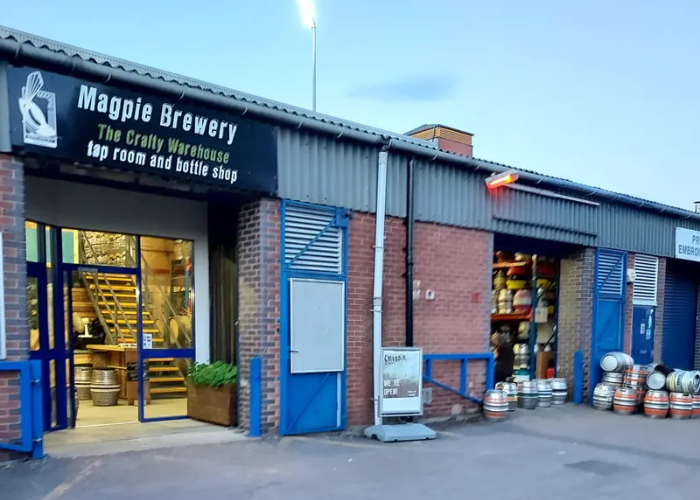
Magpie brewery
A visit to Jeju can therefore become as much about place as beer: volcanic scenery, seafood, local food markets and a fresh pint made with an ingredient grown nearby.
Tokyo rewards the curious beer drinker.
Its craft beer culture is spread across specialist bars, brewery taprooms, standing bars and compact venues that may offer more taps than seats. The city’s railway network makes it possible to explore several beer neighbourhoods in one evening, although the best experiences often come from slowing down and talking to the person behind the bar.
Japanese craft brewing tends to balance technical precision with experimentation. Alongside beautifully made lagers, pale ales and wheat beers, drinkers may encounter beers influenced by yuzu, sansho, rice, tea or other regional ingredients.
Hitachino Brewing Lab operates inside the restored former Manseibashi railway station near Kanda and Akihabara. The project was designed as a place where people could taste Hitachino Nest beers, talk about brewing, and participate in a wider beer culture.
Baird Beer, which originated in Numazu, has also operated taprooms in Tokyo and elsewhere in Japan, while local bars regularly showcase independent beer from across the country.
What to look for: Japanese pilsners, balanced pale ales, rice-influenced beers, saisons and limited releases featuring citrus, tea or spices.
Hong Kong’s size makes it an excellent city for a focused craft beer weekend.
Its breweries operate in an intensely international market, but many have built their identities around local food, language and culture. This has produced beers that feel recognisably Hong Kong rather than simply imported interpretations of Western styles.
Young Master is one of the city’s best-known craft producers, operating brewing facilities in Hong Kong and producing both classic and more experimental beers. Its locally inspired releases have included Cha Chaan Teng Gose, brewed with salted lime—a flavour familiar from traditional Hong Kong cafés.
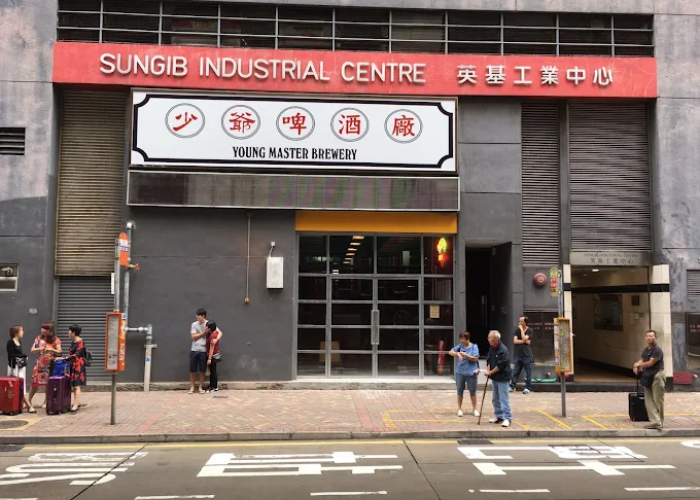
Gweilo has similarly combined Western brewing techniques with Asian flavours while building a modern Hong Kong beer identity.
The city’s greatest advantage is concentration. A visitor can experience local beer in neighbourhood pubs, stylish restaurants, specialist bottle shops and brewery-led venues without travelling long distances.
What to look for: Salted citrus sours, modern IPAs, sessionable pale ales and collaborations between Hong Kong and international breweries.
Singapore’s craft beer culture reflects the city itself: polished, multicultural and strongly connected to food.
Beer here frequently appears as part of a broader dining experience. Brewpub menus may combine familiar Western dishes with Singaporean or wider Asian flavours, creating opportunities to pair local beers with grilled meats, seafood, spice and rich sauces.
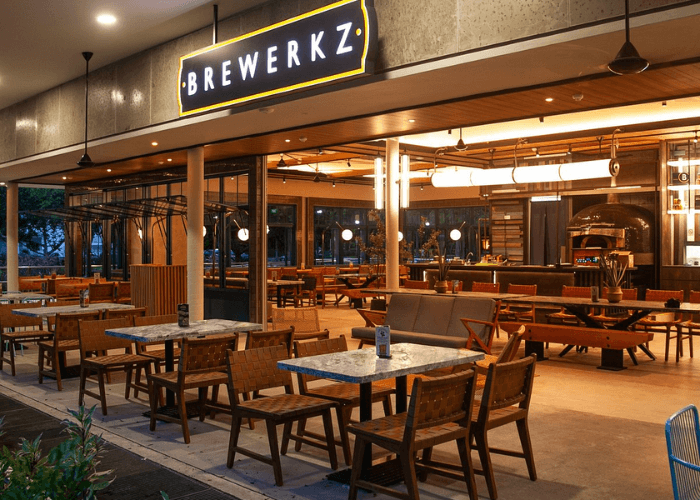
Brewerkz has become one of the most established names in the market, producing beer in Singapore and pairing it with contemporary Western and Asian-inspired food. Other producers, including Lion Brewery Co, Alive Brewing and Sunbird Brewing, demonstrate the growing range of approaches within the city. Lion’s taproom highlights local and regional beers alongside an open-flame menu, while Alive’s portfolio includes West Coast and hazy IPAs, fruited sours and more experimental styles.
Singapore is also a useful gateway to the wider Southeast Asian beer scene. Its bars frequently connect drinkers with releases and collaborations from neighbouring markets.
What to look for: Tropical pale ales, modern IPAs, clean lagers, fruited sours and beers designed for pairing with Asian food.
Thailand’s craft beer story is one of creativity, community and determination.
Bangkok’s independent beer culture has grown through specialist bars, brewing communities and enthusiasts committed to making Thai craft beer more visible. The movement has not always developed under easy regulatory conditions, but that has helped produce a close-knit community of brewers and supporters.
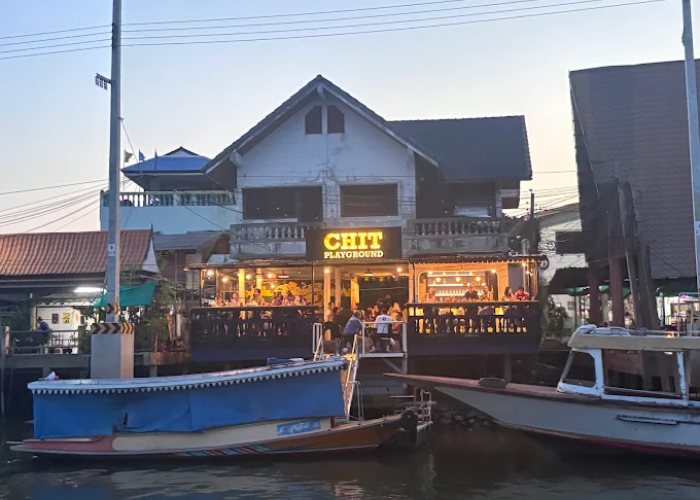
Chit Beer and its associated venues have played an influential role in that community. Chit Hole now showcases Thai and imported craft beer through locations including Bangkok, while its wider network connects brewers, homebrewers and drinkers across Thailand.
Bangkok is particularly exciting because craft beer fits naturally into the city’s social life. A fresh pale ale can accompany street food, modern Thai cuisine, a riverside evening or a night in one of the city’s creative neighbourhoods.
What to look for: Thai pale ales, hop-forward beers, refreshing lagers, fruit-led releases and small-batch experiments.
Ho Chi Minh City has developed one of Southeast Asia’s most accessible craft beer scenes.
Its taprooms tend to be social and approachable, welcoming both dedicated beer enthusiasts and visitors who simply want something cold and local. The combination of tropical weather, vibrant street life, and one of the world’s great food cultures gives Vietnamese brewers an enviable foundation.
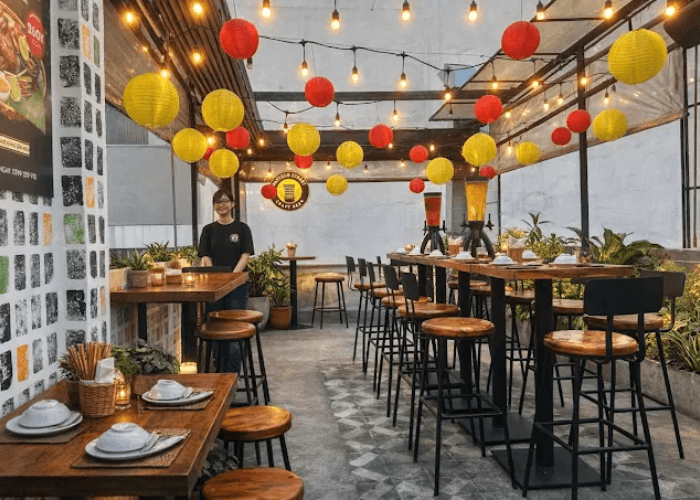
Pasteur Street Craft Beer
Pasteur Street Craft Beer was established around the idea of combining international brewing techniques with fresh Vietnamese ingredients. Its objective is not merely to make international-style beer in Vietnam, but to express something recognisably Vietnamese through the beer itself.
Heart of Darkness, founded in Vietnam in 2016, has developed a wide-ranging portfolio and a taproom in central Ho Chi Minh City. Its recent collaborations have included a Cold IPA made with black glutinous rice from northern Vietnam, illustrating how local ingredients are becoming part of contemporary craft styles.
What to look for: Beers featuring Vietnamese fruit, coffee, cacao, spices, or rice, alongside modern IPAs and highly refreshing session beers.
If there is one Indian city that should be central to any discussion about the country’s craft beer culture, it is Bengaluru.
The city’s large community of professionals, international outlook and strong dining culture helped create favourable conditions for brewpubs. Instead of depending entirely on packaged craft beer, many consumers first encountered independent beer in large, sociable venues where it was brewed and served on the premises.
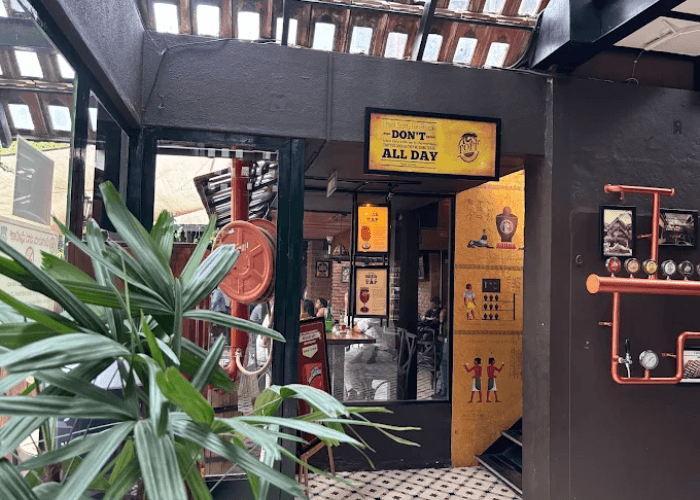
Toit has been perfecting its range for more than a decade, with beers including wheat beer, lager, red ale, stout and IPA. Geist has taken another route, building a distribution brewery in a converted plywood factory and expanding the reach of fresh craft beer beyond a single brewpub.
Bengaluru demonstrates how craft beer can become part of everyday urban hospitality rather than remaining a niche product. Breweries function as restaurants, meeting places, music venues and neighbourhood destinations.
What to look for: Hefeweizen, witbier, easy-drinking lagers, stouts, IPAs and beers made to complement Indian food.
Goa offers a completely different version of Indian beer culture.
Here, craft beer is shaped by heat, tourism, beaches, Goan food and a famously relaxed approach to life. The most successful beers tend to suit long afternoons and informal drinking occasions, while the strongest brands connect their identity to the state itself.
Maka Di brews in Goa and has developed a range influenced by both international traditions and Indian ingredients. Susegado—its name derived from a Konkani expression associated with a relaxed way of living—has produced styles including lager, wheat beer, IPA, and locally inspired releases.
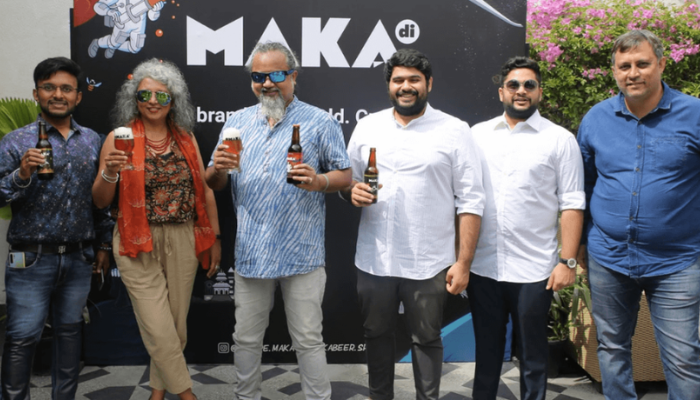
Maka Di: The Goan Beer That Won Big in America. Won Best Beer by Packaging at the 2026 USA Beer Ratings, scoring 97 points for packaging.
Goa is especially interesting because the craft beer experience extends beyond a conventional urban taproom. Beer might be enjoyed beside the beach, in a garden, at a restaurant serving seafood, or even at a microbrewery inside the state’s Manohar International Airport.
What to look for: Tropical wheat beers, light lagers, IPAs, unfiltered Keller-style beer, and locally inspired beers featuring ingredients such as kokum.
There is no single Asian craft beer style—and that is precisely what makes the region exciting.
The common thread is adaptation. Brewers are responding to warmer climates, different food cultures, local ingredients, and a consumer base that may be discovering craft beer without decades of loyalty to established Western categories.
Several characteristics appear repeatedly across the region:
- Lighter, more refreshing beer suited to warm weather
- Familiar international styles interpreted through local ingredients
- Strong connections between craft beer and food
- Taprooms designed as social and cultural spaces
- Collaborations between breweries in different Asian markets
- Increasing interest in lagers, wheat beers and lower-alcohol styles alongside IPAs
- Packaging and branding that reflect local languages, neighbourhoods and stories
Asia’s next stage of craft beer growth may not come from copying the markets that developed before it. It will come from brewers becoming more confident in the flavours, occasions and identities of their own cities.
The best way to discover craft beer in Asia is to approach it as a local experience rather than a checklist.
Visit a brewery taproom where possible. Ask for a tasting flight. Try at least one beer made with a regional ingredient. Pair the beer with local food. Speak to bartenders about new breweries, seasonal releases and neighbourhood venues that may not appear in mainstream travel guides.
Most importantly, leave room for discovery. Asia’s most memorable craft beer experience may not be its most famous brewery. It may be a tiny Seoul bar, a Tokyo counter with six seats, a humid Bangkok terrace, a bustling Bengaluru brewpub or a cold glass enjoyed as the sun goes down in Goa.
From neon-lit streets to beachside bars, Asia’s craft beer culture is no longer emerging quietly. It is creating its own flavours, rituals and destinations—and giving beer lovers an entirely new region to explore.
Also Read:
Top Beer Companies In Asia-Pacific: 20 Brewers Leading One Of The World's Largest Beer Markets
Insights on the Asian Beer Market with Kenneth Ho, Judge at Asia Beer Ratings
Meet Asia Ratings at the HKTDC Hong Kong International Wine & Spirits Fair
Get your beers evaluated by leading Asian importers, distributors, retailers and trade buyers. Receive detailed feedback on quality, value and packaging and discover how your brand can improve its market potential in Asia.