
Submission
Deadline
October 16, 2026
Judging
Date
November 11, 2026
Winners
Announcement
November 26, 2026

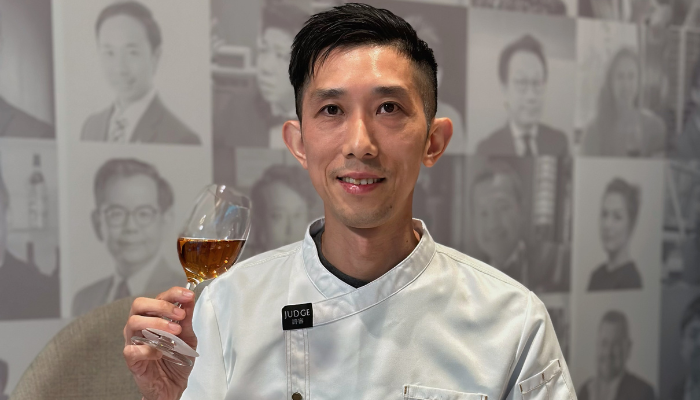
The Asian beer market continues to evolve rapidly, with changing consumer preferences, growing interest in premium and craft beer, and increasing opportunities for breweries from around the world. To better understand these shifts, we spoke with Kenneth Ho, a judge at Asia Beer Ratings, beer educator, international beer judge, and founder of Beer & Beer. In this interview, Kenneth shares his perspective on consumer trends, market opportunities, and what breweries should know when looking to grow across Asia.
The Asian beer market is currently in a state of fascinating, bifurcated evolution. On one hand, massive, hyper-efficient commercial operations and market giants continue to expand their territories, offering standardized portfolios to meet mass-consumer demands.
On the other hand, an incredibly sophisticated premium and craft segment is gaining immense cultural capital across local Asian nations. A rising demographic of young, professional consumers is moving away from the era of "drinking for volume," shifting rapidly toward drinking for experience, flavor, and atmosphere. It is a dynamic, high-stakes market where highly digitally connected consumers are eager to discover what’s next.
Faced with declining volumes and intense cost pressures, commercial macro-breweries are adapting to a changing palate that prioritizes flavor and experience. They are steadily encroaching on the craft space, releasing limited editions, diverse flavor profiles, and varying strengths to premiumize their offerings and win back consumer attention.
Meanwhile, in the dedicated craft and premium sectors, the concept of "craft beer" has moved past the novelty phase. Consumers are highly educated; they expect style accuracy, absolute freshness, and sensory balance. Because the market is flooded with both international imports and local variants, a brand's unique tone, clear differentiation, and liquid quality are now the definitive factors for staying relevant or breaking into new territory.
While China remains a powerhouse for premium imports due to its sheer scale, Southeast Asia, specifically Vietnam and Thailand, and India are incredibly electric right now.
Premium craft beers continue to enjoy massive hype in China, expanding rapidly from Super Tier 1 hubs into Tier 2 and Tier 3 cities, with beer festivals taking place in different corners of the country almost every month.
Meanwhile, Vietnam and Thailand boast vibrant, youth-driven craft scenes where consumers eagerly embrace bold international brands. Simultaneously, India is experiencing an unprecedented urban middle-class boom, fueling a massive appetite for premiumization and taproom culture.
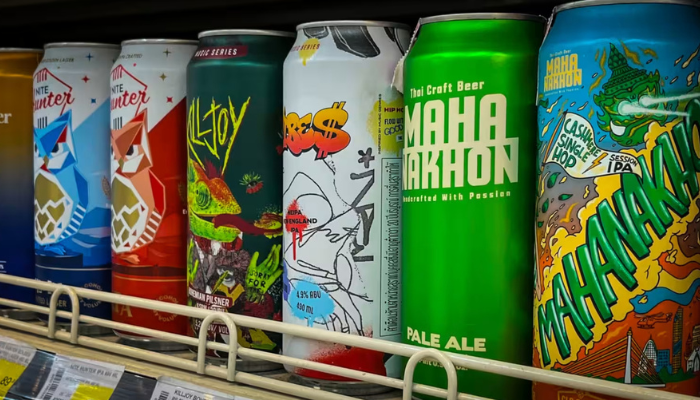
Image: Thailand Craft Beer.
That is a great question. While low-ABV beers with high drinkability remain the champions of the Asian market, the landscape is incredibly diverse. Ultimately, brand identity and Beer quality remain the definitive keys to success across all styles.
Within the craft segment, hop-driven American styles like American Pale Ales, American IPAs, and Hazy IPAs still dominate. However, the trend is slowly shifting toward crisper profiles, such as modern West Coast IPAs and West Coast Pilsners.
Thanks to an abundance of local produce, fruit-forward sour beers have also become a common fixture across different Asian markets. These range from light-bodied, crisp, and refreshing pours to thick, slushy-style sours reminiscent of fruit milkshakes.
Furthermore, utilizing regional ingredients has sparked an exciting trend; the richness of local tea leaves and diverse rice varieties has driven a surge in popular Tea Beers and Rice Lagers.
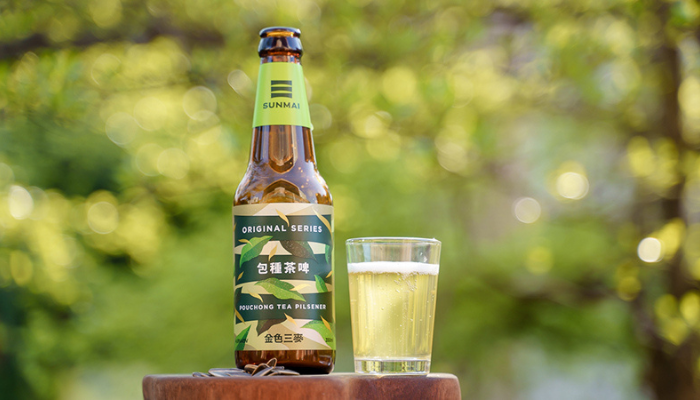
In such a hyper-competitive market with a wide variety, lower-strength beers can definitely drive volume, provided they are backed by strong brand identity and impeccable quality.
Asia is not a monolith, as each regional market may require a highly tailored approach to match distinct consumer preferences.
In Japan and South Korea, the landscapes are hyper-mature and precision-obsessed, with consumers demanding flawless packaging, extreme product freshness, and showing a strong affinity for low-ABV and RTD innovations. In contrast, the Chinese market is heavily driven by status, narrative storytelling, and bold flavor profiles, which translates into a high demand for premium barrel-aged stouts, high-gravity IPAs, and hyper-local collaborations.
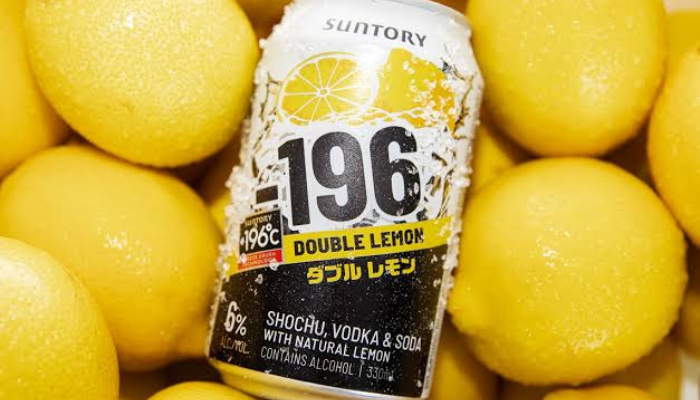
Image: Japan RTD.
Meanwhile, Thailand and Vietnam boast vibrant, refreshment-driven scenes with a trendy edge, where a young, social-media-savvy demographic eagerly favors aromatic IPAs and fruity sours. Finally, India presents a market that has historically favored high-strength beers but is now rapidly pivoting, with surging urban centers enthusiastically embracing wheat beers, crisp lagers, and highly accessible craft flavor profiles.
The answer is highly nuanced. As I mentioned earlier, craft beer is no longer a novelty to Asian beer lovers. A significant segment of these consumers is shifting away from the pursuit of extreme or gimmicky flavors, moving back toward standard, high-quality, "beer-flavored beer" styles they can easily enjoy all day long.
However, another dedicated demographic remains incredibly adventurous, viewing beer primarily through a gastronomic lens. These drinkers exhibit immense curiosity toward cross-category innovations, such as beers utilizing wine yeast, sake koji, or spirit barrel-aging. They are also deeply fascinated by texture and mouthfeel; the visual appeal of a perfect nitro cascade or a beautifully brilliant lager continues to drive immense engagement both at the taproom and across social media.
In certain markets, while local beer lovers fiercely support their domestic breweries, they still perceive established international brands as superior. This allows international breweries to step in and fill the gap within the premium and high-quality segments.
Another major opportunity lies in niche authority and storytelling. Western breweries that leverage genuine heritage, exceptional technical execution, such as authentic sour blending or farmhouse brewing, and world-class cold-chain distribution can easily capture premium tap handles. If a brand can offer an immersive experience or a flavor profile that cannot be easily replicated by local producers, Asia's premium consumer base is more than willing to pay a significant price premium.
Because each Asian country is unique and individual cities within those nations are incredibly distinct, a "one-size-fits-all" go-to-market and marketing strategy simply does not work. To successfully penetrate these diverse territories, you need to partner with experts who are truly familiar with each localized market, partners who can provide a comprehensive 3-to-5-year strategic roadmap for growth.
Expanding across Asia requires collaborating with a vast network of different stakeholders, as you will rarely find a single entity capable of navigating all Asian markets effectively.
The second major pitfall relates to product quality. The absolute biggest killer of international brands is neglecting the cold chain during transit. A world-class Hazy IPA brewed in Europe or North America that spends months sitting in warm, ambient shipping containers degrades into liquid oxidized cardboard by the time it finally reaches a bar in Shanghai or Bangkok.
Asian distributors and importers are heavily focused on price. Because they intimately understand how a beer must fit into the local landscape, setting the right price is crucial to creating a sustainable, win-win partnership between the brewery and the distributor. In today’s economic climate, marked by intense cost pressures and slowing consumer demand, a precise pricing strategy is the definitive key to winning market share.
Another critical factor is brand identity. Importers today are flooded with options; they face no shortage of choices from breweries eager to penetrate the Asian market. Consequently, they look for partners who will actively support them by educating the local trade and consumers on why a specific beer is special.
Finally, quality, compliance, and consistency are paramount, specifically regarding shelf-life stability. Can your product survive a long transit and remain pristine on store shelves for 6 to 9 months? Furthermore, is your packaging fully compliant with strict local labeling laws, and can your brewery guarantee a completely stable supply chain?
First, focus entirely on technical precision and balance. The judging panels in Asia consist of world-class, highly trained palates, including prominent buyers, professional competition judges, and certified beer sommeliers, who look past marketing hype to evaluate the core liquid.
Second, ensure your entries come from your freshest batch and are shipped under strict temperature-controlled conditions so they arrive exactly as the brewer intended. In a competition of this caliber, there is absolutely nowhere for off-flavors to hide; ultimate balance, style accuracy, and flawless execution are what win medals.
Finally, consider the unique nuances of the Asian palate. Because Asian countries boast an incredibly rich variety of unique cuisines, entering a product that pairs beautifully with diverse culinary styles can truly make your beer stand out from the crowd.
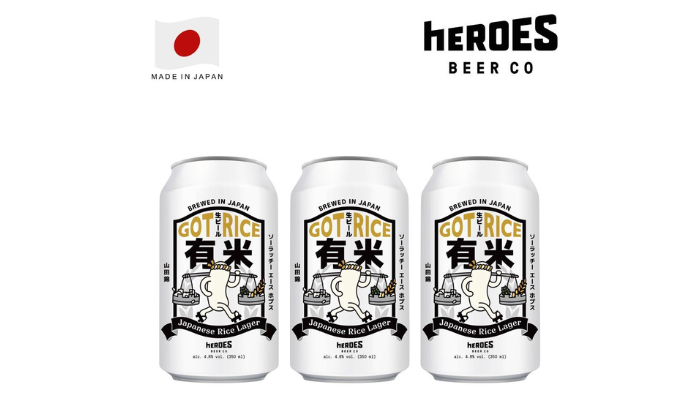
I am incredibly excited to witness the birth of distinct, self-defining Asian beer styles. For decades, the region looked to the West for stylistic blueprints. Today, Asian brewers are confidently drawing their own boundaries, seamlessly integrating regional raw materials like local tea varieties and unique grains. The Japanese Rice Lager is a prime example; it has become highly trendy in Western craft culture and was formally integrated into the Brewers Association Beer Style Guidelines early this year. Given the vast array of heirloom rice varieties and sticky rice strains found across different parts of Asia, this style still has immense room to grow.
Furthermore, Asia has a deeply rooted, millennia-old tea culture, with every country boasting its own unique leaves and traditional brewing methods. I strongly believe that tea-infused beers represent another distinct category that will ultimately shape the identity of Asian brewing on the global stage.
Also Read:
What Beer Styles Are Growing Across Asia's Key Markets?
Get your beers evaluated by leading Asian importers, distributors, retailers and trade buyers. Receive detailed feedback on quality, value and packaging and discover how your brand can improve its market potential in Asia.