
Submission
Deadline
October 16, 2026
Judging
Date
November 11, 2026
Winners
Announcement
November 26, 2026
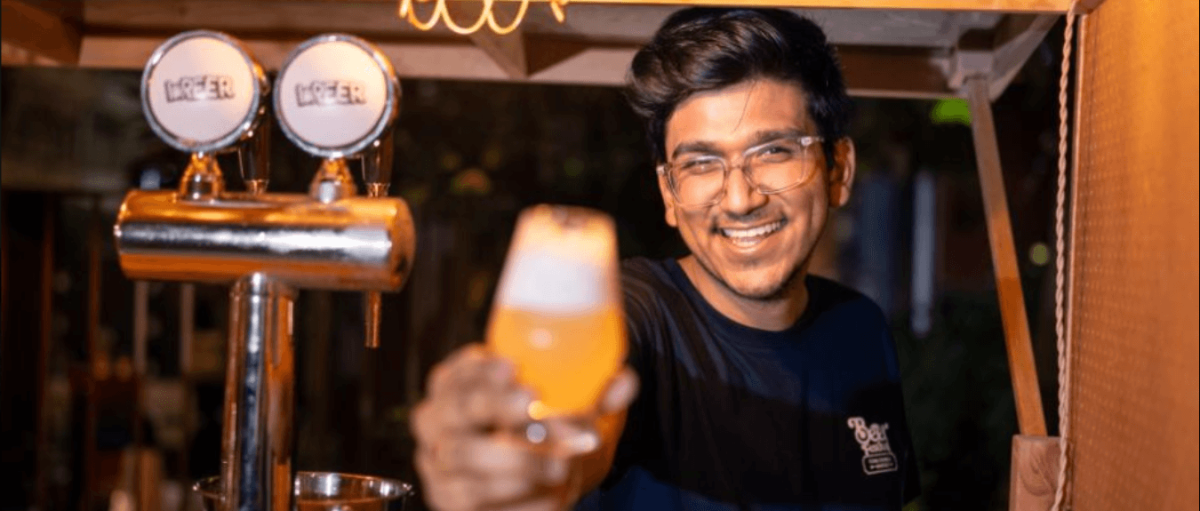
A compelling story can win a beer its first sale, but flavour, consistency, and value determine whether buyers come back. For Naman Tekriwal, co-founder of Hong Kong’s Breer, that distinction sits at the heart of an unconventional business: turning surplus bread into craft beer. His entrepreneurial journey connects food waste reduction with the practical demands of a category where shelf space is competitive, and repeat orders must be earned. Breer’s proposition opens a wider conversation about how sustainability can influence product development, brand positioning, and purchasing decisions across Asia’s beer market. For retailers, distributors, and hospitality operators, the challenge is understanding how an unfamiliar concept translates into a beer that customers want to drink again. In this interview, Tekriwal discusses the realities of building an upcycling business, earning buyer confidence, and balancing environmental ambition with commercial discipline, offering a founder’s perspective on what it takes to turn an inventive idea into a lasting beer brand.
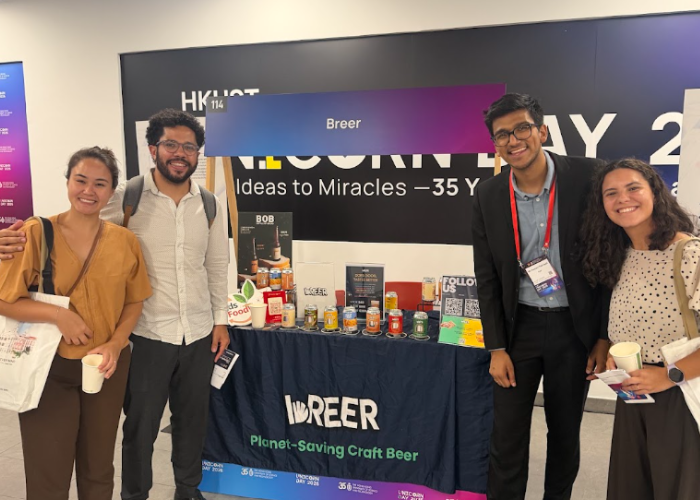
It was the realisation that the supply would never run out. Hong Kong discards around 3,600 tonnes of food every day, and nearly half of that is leftover bread from bakeries and supermarkets. Bread and beer share many of the same raw ingredients, and the grains in bread can replace part of the malted barley in a recipe. That meant we weren't simply solving a waste problem; we were reducing the cost of an ingredient every brewer has to buy. Winning Enactus Hong Kong in 2020 gave us our first funding, but the underlying economics persuaded us to build a company around the idea.
We can use almost any type of bread, provided it has no condiments or sauces on it. Depending on the style, ABV, and bitterness we are aiming for, bread replaces between 20 and 40 percent of the grain bill. In the early days, we experimented with breads such as dark rye and Middle Eastern toast, but their supply was not dependable, so we returned to plain white bread. We have since worked with pineapple buns, cocktail buns, egg tarts and egg waffles, always testing the bread thoroughly before finalising a recipe around it. Quality is non-negotiable. Mouldy bread is rejected, collection and brewing run almost on a just-in-time basis, and although the Hong Kong government does not require it, we lab test every beer before it goes to market.
I want them to enjoy it as a well-made beer, without needing any explanation. The Bolo Bao IPA should come across as a balanced, flavourful IPA, the Pale Ale as clean and easy to drink, and the Mandarin Sour as refreshing, with genuine fruit character. Ideally, someone orders a second one before they learn how it was made. If a beer depends on its backstory to be appreciated, then it has not done its job. The story should add to a good product, not compensate for a weak one.
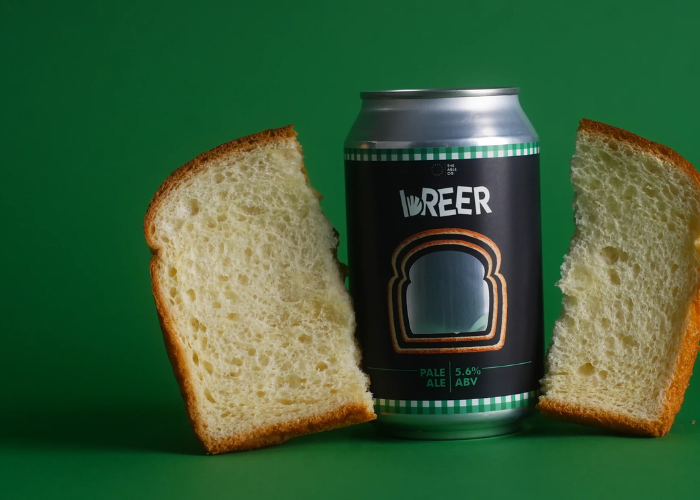
The route to market has been the most difficult by far. Supply has never been a concern, because Hong Kong wastes so much food that surplus bread is always available. The brewing process took time at the start, and we went through 20 to 25 iterations before we were satisfied with the recipe, but once that was settled, it became dependable. Building a reliable route to market has been much harder. It means persuading buyers and consumers of the product, the quality, and the price, one account at a time, in a market that is crowded with established brands.
Ultimately, it comes down to how well the product sells. The sustainability angle may secure an initial order, but a buyer reorders when stock moves quickly, when customers ask for it again, and when staff are comfortable recommending it. Independent recognition also helps, such as our ratings on Untappd and the award won by Mandarin Sour. Beyond that, buyers value reliable delivery, consistent quality, and practical support, whether that is a tasting or an in-store activation. A buyer is always weighing risk, so the more we can show that Breer sells without additional effort on their part, the easier that decision becomes.
I do not position Breer as a replacement for the brands they already stock. Instead, I explain that it fills a different role. Most bars already carry an IPA, but very few have a local beer with a story their staff can share in a sentence or two, which makes it easier to sell and gives customers something to talk about. For retailers, it appeals to shoppers who buy based on their values or who are looking for a gift. I then support that case with sales data from similar accounts, our ratings and awards, and an offer to help with tastings and joint promotion.
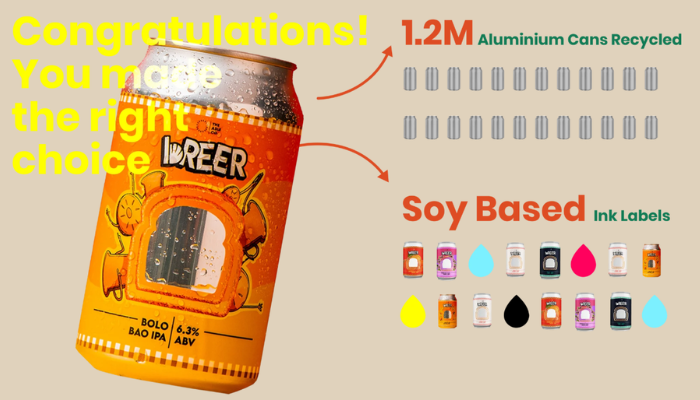
Partnerships and corporate work have been our strongest channel. Collaborations with Maxim's, Swire Properties, Hong Kong Tramways and Marriott, along with gifting and events for organisations such as BlackRock, HSBC and CLSA, are where our story resonates most, as these partners want products that reflect their own sustainability commitments. That said, we are equally focused on convenience stores, supermarkets, restaurants and bottle shops. We aim to be wherever customers want to buy us, so we do not see these channels as alternatives to one another. Each one plays its part in making Breer easy to find.
Hong Kong consumers have taught us that sustainability is a good hook, but it does not guarantee a purchase. This is a very price-competitive market, with commercial brands such as Tsingtao, Asahi and Stella Artois all competing hard on price. To win customers, we have to impress them with the quality of our beers, the styles we offer and, above all, the flavours. We have deliberately made our beers local and nostalgic, and our best seller, the Bolo Bao IPA, is a good example of how that helps us stand out. Regular events such as tap takeovers and beer dinners also keep people hearing about the brand and engaging with it.
Singapore and Vietnam are both on our roadmap. We designed Breer’s model to be scalable from the start. The concept of turning surplus bread into beer, together with our base recipes, carries across markets, while the operational side is built through local partnerships with bakeries and breweries in each city. This means we do not depend on heavy logistics or on owning assets, and can instead work with existing partners or develop new ones as we enter a market. We have already run pilot projects with 1925 Brewing Co. in Singapore and 7 Bridges Brewery in Vietnam.
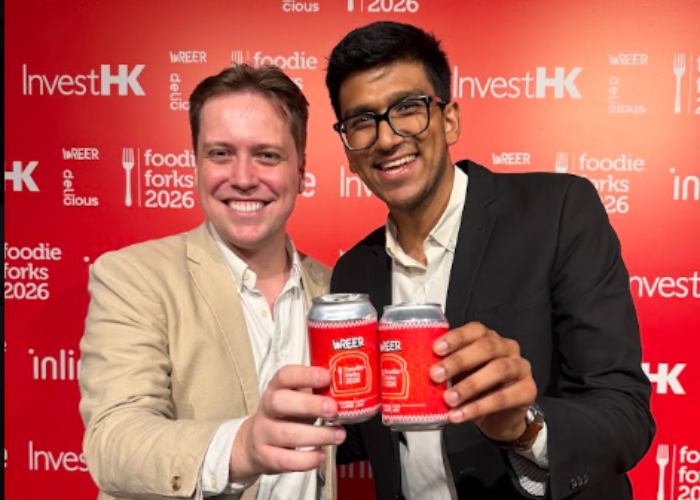
It does. Many people hesitate when they hear the beer is made from waste and wonder how it could taste good. We address this mainly through tastings, including blind tastings, and by being careful not to lead with sustainability. Our message is that Breer is a tasty product and should be bought for that reason, with sustainability as an added benefit. If someone chooses it for its environmental value, that is welcome, but our focus is on persuading people through flavour and quality, and we make sure all of our marketing reflects that.
On the commercial side, I look at the rate of repeat orders, sales per account, gross margin, and how much of our revenue comes from recurring customers rather than one-off events. The number of outlets we are in matters, but only if those outlets continue to reorder. On the sustainability side, we track the volume of bread diverted from landfill and the emissions we avoid. For 2025, we set targets to increase the bread we upcycle by 30 percent, saving roughly 141 tonnes, and to cut emissions from production and logistics by 25 percent, around 21 tonnes of CO2. Most importantly, I want both sets of figures to grow together.
Competitions are good at judging quality, but buyers also need to know whether that quality is consistent. Judging samples taken from retail stock, rather than batches prepared specifically for the competition, would give a more accurate picture. Commercial appeal and drinkability deserve attention alongside how closely a beer matches its style. Packaging and shelf life are also important considerations for retailers. It would be helpful to include some assessment of value for money, as well as guidance on food pairings and occasions. For newer brands in particular, sharing the judges' feedback with buyers would make an award far more useful in a sales conversation.
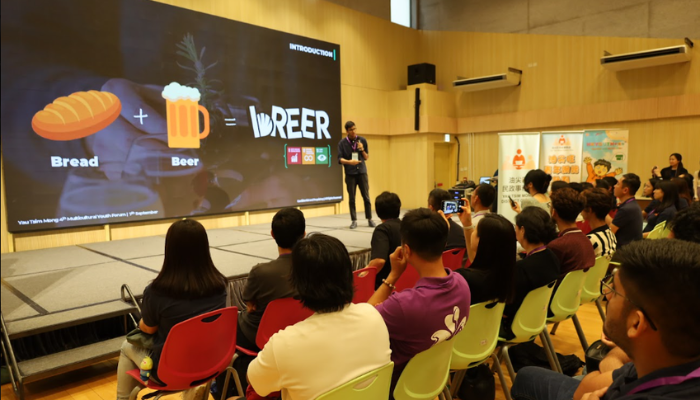
Before starting Breer, I did not drink beer at all and had never been a fan of it. That changed as I learned how difficult it is to make a good beer. Understanding the process gave me a real appreciation for it, and I now genuinely enjoy beer and like trying different styles. Knowing the science behind what I am tasting, such as recognising that a particular freshness likely comes from the hops, has made the experience far more interesting. It is an unexpected outcome for someone who started a beer company without ever having had one.
I would consider it a success if using upcycled ingredients became standard practice among Asian brewers rather than something unusual. If brewers across the region were regularly using surplus bread or other food waste, and if large food and beverage groups came to see their surplus as a resource rather than a cost of disposal, that would represent a real change in the industry. For Breer itself, I would hope to be operating in several Asian markets, diverting a substantial amount of bread each year, and selling beer that people choose first and foremost because they enjoy it.
Also Read:
Top Asian Craft Beer Destinations Every Beer Lover Should Explore
20 Leading Beer Importers And Distributors In Asia
Top Beer Companies In Asia-Pacific: 20 Brewers Leading One Of The World's Largest Beer Markets
Get your beers evaluated by leading Asian importers, distributors, retailers and trade buyers. Receive detailed feedback on quality, value and packaging and discover how your brand can improve its market potential in Asia.