
Submission
Deadline
October 16, 2026
Judging
Date
November 11, 2026
Winners
Announcement
November 26, 2026
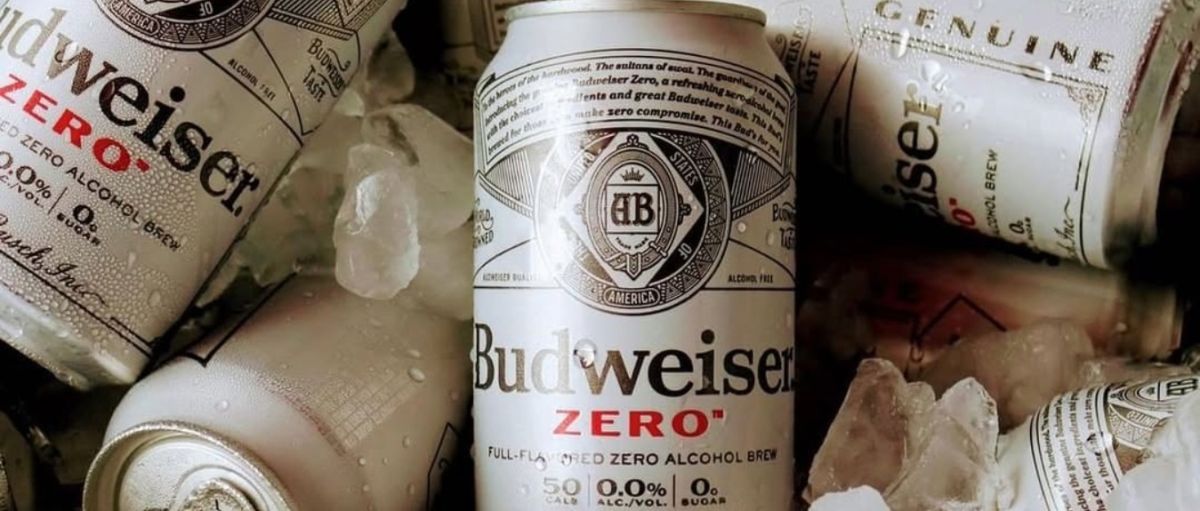
The beverage landscape in Asia is undergoing a remarkable transformation, particularly in the realm of non-alcoholic beers. Once considered a niche product, these beverages are steadily gaining traction among consumers who seek the taste of beer without the intoxicating effects of alcohol. This shift is not merely a trend; it represents a broader cultural movement towards healthier lifestyles and mindful consumption. As more people in Asia embrace the benefits of non-alcoholic options, the market is responding with innovation and variety, creating a vibrant ecosystem of choices for discerning drinkers.
In recent years, health consciousness has surged across Asia, driven by a younger demographic that prioritizes wellness and fitness. This cultural shift is reflected in various consumer choices, including food, beverages, and lifestyle habits. Non-alcoholic beers have emerged as a compelling alternative for those who wish to enjoy social experiences without the side effects of alcohol consumption. This trend is particularly prominent in urban areas, where the hustle and bustle of city life often intersects with a desire for balance and well-being.
For instance, in countries like Japan and South Korea, the concept of "mindful drinking" is taking hold. Consumers are increasingly opting for non-alcoholic options during social gatherings, recognizing that they can still partake in the communal experience of sharing a drink without the need for alcohol. This has prompted breweries to innovate and craft non-alcoholic beers that not only mimic traditional flavors but also cater to the evolving palate of the modern drinker.
The craft beer movement, which has swept across the globe, is also making significant inroads into the non-alcoholic segment. Craft breweries are experimenting with a wide range of ingredients and brewing techniques to create unique non-alcoholic beers that stand out in taste and quality. This is a crucial factor in changing perceptions about non-alcoholic beverages.
Take, for example, the emergence of craft non-alcoholic beers in Singapore, where local breweries are producing artisanal options that appeal to discerning consumers. These breweries often emphasize the use of high-quality ingredients and traditional brewing methods, resulting in complex flavor profiles that rival their alcoholic counterparts. The success of these craft non-alcoholic beers has not only expanded consumer choice but has also elevated the status of non-alcoholic options in the beverage industry.
The demand for non-alcoholic beers is reflected in the rapid expansion of the market across Asia. According to recent reports, the non-alcoholic beer market in Asia is projected to grow significantly in the coming years, driven by increasing consumer awareness and changing drinking habits. This growth is particularly evident in countries like China, where a burgeoning middle class is seeking premium beverage options.
In China, non-alcoholic beers are being marketed as a sophisticated choice for social occasions, appealing to both young professionals and health-conscious consumers. Major international brands have taken note of this trend, launching non-alcoholic versions of their popular beers to cater to this evolving market. This strategic move not only broadens their product portfolios but also positions them as forward-thinking brands that resonate with contemporary consumer values.
While the rise of non-alcoholic beers presents significant opportunities for breweries, it also comes with its own set of challenges. One of the primary hurdles is consumer perception. Many still associate non-alcoholic beers with inferior quality or a lack of flavor. To overcome this stigma, breweries must focus on education and marketing strategies that highlight the craftsmanship and quality behind their non-alcoholic offerings.
Additionally, the competitive landscape is becoming increasingly crowded as more players enter the market. For breweries looking to differentiate themselves, innovation is key. This could involve experimenting with new flavors, collaborating with local ingredients, or even incorporating health-oriented features such as added vitamins or functional ingredients. By staying ahead of trends and consumer preferences, breweries can carve out a niche in this burgeoning market.
The regulatory environment surrounding alcohol and non-alcoholic beverages varies significantly across Asia, impacting how breweries operate and market their products. In some countries, stringent regulations on alcohol advertising extend to non-alcoholic beers, creating challenges for brand visibility and consumer outreach. Understanding these regulations is crucial for breweries aiming to navigate the complex landscape effectively.
For example, in India, where alcohol advertising is heavily regulated, breweries have found creative ways to promote their non-alcoholic products by focusing on lifestyle branding and health benefits. This approach not only complies with regulations but also resonates with the growing number of consumers seeking healthier alternatives. By leveraging social media and influencer partnerships, breweries can create awareness and generate interest in their non-alcoholic offerings without running afoul of regulatory constraints.
As the non-alcoholic beer market continues to expand, effective consumer education becomes paramount. Many potential customers may not fully understand the benefits or quality of non-alcoholic beers, making it essential for breweries to communicate their value proposition clearly. Marketing strategies should focus on taste, quality, and the lifestyle benefits associated with non-alcoholic consumption.
Engaging storytelling can play a pivotal role in this educational effort. Breweries can share the journey of their non-alcoholic beers, from sourcing ingredients to the brewing process, to create a connection with consumers. Hosting tasting events, collaborating with local restaurants, and participating in food and beverage festivals can also provide opportunities for consumers to experience non-alcoholic beers firsthand, helping to dispel myths and showcase the variety available.
Looking ahead, the future of non-alcoholic beers in Asia appears promising. As societal norms continue to evolve and more consumers prioritize health and wellness, the demand for non-alcoholic options is likely to grow. This trend presents a unique opportunity for breweries to innovate and expand their offerings, catering to a diverse range of tastes and preferences.
Moreover, as more international brands enter the Asian market, there is potential for cross-cultural exchange and collaboration. Local breweries can learn from global best practices while also showcasing their unique flavors and ingredients. This synergy can lead to the creation of hybrid styles that blend traditional brewing techniques with modern consumer trends, ultimately enriching the non-alcoholic beer landscape.
In conclusion, the rise of non-alcoholic beers in Asia reflects a significant cultural shift towards healthier drinking habits and mindful consumption. As the market continues to evolve, breweries have the opportunity to innovate and educate consumers, breaking down barriers and changing perceptions. By embracing this trend, the beverage industry can not only meet the growing demand for non-alcoholic options but also contribute to a broader movement towards wellness and balance in everyday life. The journey is just beginning, and those who adapt and respond to these changes will undoubtedly find success in this dynamic market.
Header image sourced from Budweiser Zero (Instagram).
Get your beers evaluated by leading Asian importers, distributors, retailers and trade buyers. Receive detailed feedback on quality, value and packaging and discover how your brand can improve its market potential in Asia.